


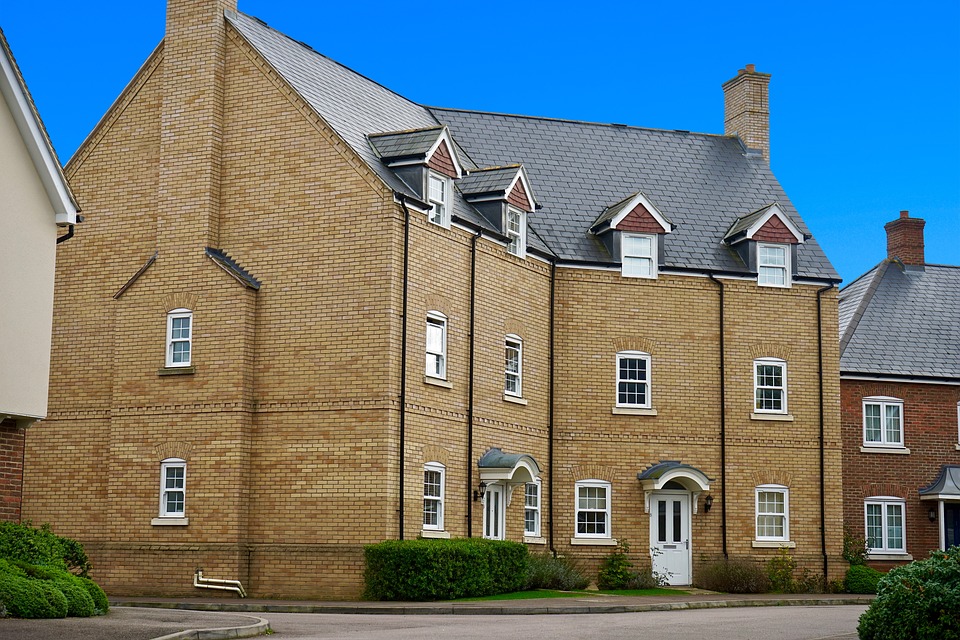
Many factors enter into the equation when it comes to how long your roof will protect your home. The materials used, the expertise of the workers who installed it, and the degree of punishing weather you experience are probably the top three.
Assuming that your roof was indeed installed by experts who use quality material, we face the third factor – Mother Nature. High winds and hail are the two most common roofing problems homeowners and business owners face today, but there is something you can do to remediate the damage.
Signs you need a roof inspection
Larger hailstones will leave pockmarks, dents or holes in asphalt shingles (the most popular roofing material), which is an obvious sign that a roofing contractor should be called out for an inspection.
Smaller hailstones will chip away at the small granules that protect the waterproof layers of the shingles. These granules will pile up in the gutters and/or at the exit end of the downspouts. While your shingles might be fine after some granule loss, any loss eats away at the life of your roof, which means an annual inspection is recommended, especially for roofs more than 10 years old.
What might not be as obvious of a danger to your roof is high wind, but the problems are definitely there. Wind speeds fluctuate and change direction, which can cause roofing materials to flap and ripple, leading to loose areas that are no longer resistant to moisture. It is often impossible to see without a professional inspection.
Most homeowners only know the damage is there because they experience a leak, which means they are at risk of all the issues that occur when moisture enters the home – rot, mold, mildew and bacteria growth.
Repairing your roof after windstorm damage
Homeowners who experience windstorms that fell branches need to be as concerned about assessing the damage to their roofs as they do about removing the downed limbs. Call a professional roofing contractor to get on your roof and look for the common roofing issues related to high hail and wind damage.